

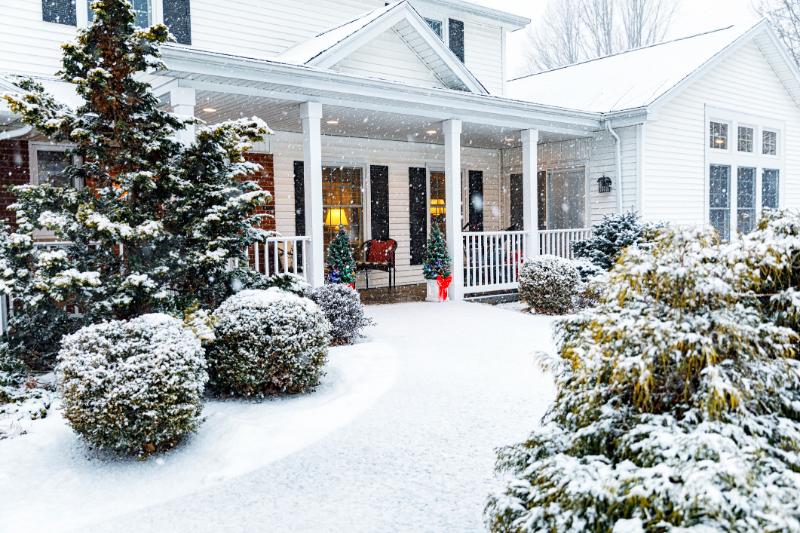
Chicagoland homes are built to withstand freezing temperatures, heavy snow, and sharp winds while keeping families warm and comfortable
Being winter-ready in Chicagoland isn’t only about weatherproofing. A winter-smart home means steady comfort, fewer headaches, and less stress when the weather turns harsh, especially for anyone who’s ever wondered “How cold does it get in Chicago?” during the worst stretches of the season. And a community that manages winter well offers safer roads, clear sidewalks, and services that keep everyday life moving.
So, what does winter-ready living look like in Chicagoland? Here’s a closer look at the features and systems that make the biggest impact.
Table of Contents:
SEASONAL CHALLENGES
Winter in Chicagoland has a personality of its own. And even in years that feel a little milder, it still keeps homeowners on their toes. Around here, the snow shovels never really go back in storage − a reality that makes people question how cold it gets in Chicago once the deep freeze hits. Here’s what to expect:
Snow, ice, and freezing temps
Chicago winters tend to be unpredictable. Some weeks are quiet and manageable, while others hit with back-to-back snow systems, sudden temperature drops, or those sharp, windy cold fronts that freeze everything in sight. Lake-effect snow may occasionally pop up with little warning and turn an easy day into a slick, low-visibility mess.
Energy costs and maintenance demands
Cold weather puts your home to work. Furnaces run longer, drafts become obvious, and energy bills climb quickly if your home isn’t well-sealed. Winter is also when small maintenance issues turn into bigger ones: gutters freeze, roofs get stressed, and driveways and foundations feel the effects of constant freeze-thaw cycles.
Travel and mobility during storms
Snow doesn’t need to be heavy to be disruptive. Icy roads, low visibility, and fast-moving weather systems make commuting a challenge. Trains run slower, traffic backs up, and even short trips sometimes take twice as long when the weather turns. Anyone who’s been stuck in one of these situations knows firsthand how cold it gets in Chicago, especially when the wind chill kicks in.
SOLUTIONS AT HOME

A smart thermostat keeps your home perfectly warm while saving energy without any extra effort.
Since winter is a constant in Chicagoland, proper house preparation for winter should make it easier to deal with, not add to the hassle. With the right features and design choices, you’ll turn those cold, snowy months into something way more comfortable and much less of a headache.
-
-
Seal in the warmth: Windows, insulation, and smart shades
-
A big part of preparing for winter starts with keeping the cold where it belongs: outside. Insulated double- or triple-pane windows, proper weatherstripping, and fresh caulking around frames all help cut down on drafts and heat loss. Pair that with solid attic and basement insulation, and your home holds onto heat instead of leaking it out through the roof and floors.
For an extra layer of comfort, thermal or motorized shades allow some sunshine in during the day and act like a blanket for your windows at night.
-
-
Comfortable and efficient heating: HVAC, radiant floors, and heated garages
-
On the heating side, modern systems make a noticeable difference in both comfort and cost. An updated, energy-efficient HVAC setup or a newer furnace keeps temperatures more consistent and helps avoid the constant “too hot, too cold” cycle.
A smart thermostat makes things easier by learning your schedule and warming the house when you’re actually home. Then on cold mornings, there are upgrades you really feel, such as radiant heated floors in bathrooms, kitchens, or entryways, and a heated garage that keeps your car (and you) out of the deep freeze.
-
-
Exterior armor: Roofing, entrances, and snow-melt systems
-
Outside, winter-ready design is all about protecting the house and making day-to-day life safer. Newer roofing systems built to handle snow loads, combined with roof and gutter de-icing cables, help prevent ice dams and leaks as snow melts and refreezes, which is a common issue once you’ve experienced just how cold it gets in Chicago in January and February.
To keep you and your guests out of the wind and blowing snow, covered entrances are a huge help. Wide, flat walkways are also easier to shovel and safer to walk on. And if you really want to reduce the hassle, snow-melt driveways and heated paths will quietly do the hard work for you by melting snow and ice before it piles up.
-
-
Backup and preparedness: Generators, pipes, and maintenance
-
Since storms and deep freezes are part of the deal, it also makes sense to plan for the “what ifs.” A backup generator keeps essentials like heat, lights, and your fridge running if the power goes out during a winter storm. Protecting exposed or vulnerable pipes, especially in basements, garages, and exterior walls, helps avoid burst pipes and water damage.
Routine maintenance checks also go a long way. Keeping gutters clear, checking the roof before the worst weather hits, and changing furnace filters regularly all help your home run smoothly when the temperatures drop.
-
-
Cozy luxury: Fireplaces, entertaining spaces, and spa-like comfort
-
Then, there’s the side of winter that’s less about survival and more about enjoyment, which is turning your home into a place you’ll actually look forward to hibernating in. Fireplaces add instant warmth and a cozy focal point, whether they’re in the living room, bedroom, or even outside. Indoor entertaining spaces, like media rooms, game rooms, or a home gym, keep life fun and active when it’s too snowy to go out.
COMMUNITY SUPPORT SYSTEMS
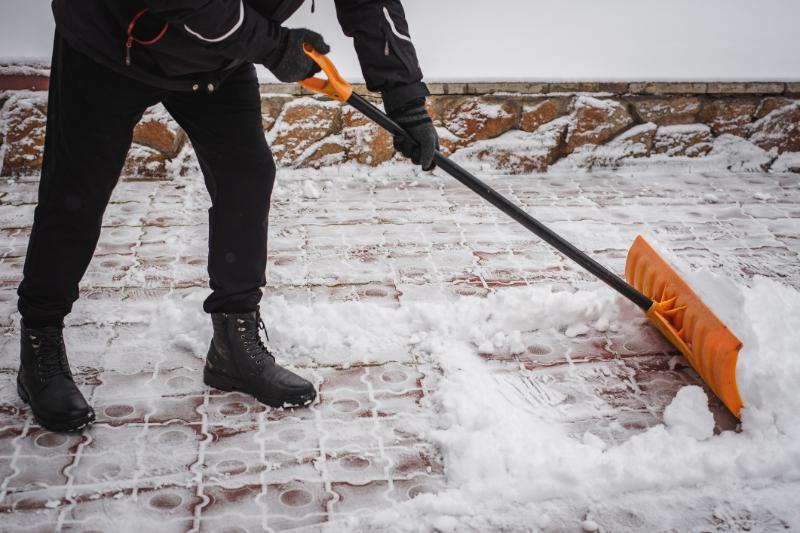
Chicagoland’s suburbs help residents stay safe, connected, and winter-ready.
Staying comfortable through a Chicagoland winter isn’t just about what’s happening inside your home. How well your community handles the season makes a huge difference in whether the cold months feel smooth or stressful. Snow removal, road treatment, reliable power, park district operations, and even how the neighborhood’s laid out will affect your day-to-day life.
Buffalo Grove, Vernon Hills, and Palatine each handle winter a little differently, with support systems that help residents stay mobile, warm, and connected when temperatures drop. Here’s a closer look at how each suburb works behind the scenes to make winter not just manageable but actually easier to live in.
Buffalo Grove
Buffalo Grove is known for its reliable infrastructure and its commitment to keeping residents active, engaged, and safe year-round. Winter just highlights how efficient and resident-focused the village really is.
One of the biggest perks here is the Buffalo Grove Park District, which is consistently ranked among the strongest in the northwest suburbs. More than just a place for recreation, the park district is a year-round support system that shifts into winter mode without missing a beat. Indoor facilities like fitness centers, community rooms, classes, and sports programs keep residents active even when the snow’s piling up outside. Parents count on winter programs to keep kids busy, and adults get a much-needed break from cabin fever with everything from group fitness to community events.
| Did you know? Buffalo Grove clears more than 50 miles of sidewalks and paths after snowfalls, which is a huge help for walkers, students, dog owners, runners, and families who still want to go outside on milder winter days. |
Vernon Hills
Vernon Hills has grown steadily over the last few decades, and a lot of that growth means newer neighborhoods, newer construction, and more energy-efficient homes. Modern insulation, airtight windows, efficient HVAC systems, and smart subdivision planning all cut down on energy waste and make winter living easier day-to-day.
Unlike older suburbs that are constantly patching up aging systems, Vernon Hills was built with today’s weather challenges in mind. The homes are less drafty, the roads are wider, and many subdivisions have updated stormwater and drainage systems that prevent ice buildup in winter.
| Did you know? Vernon Hills is part of Com Ed’s Smart Grid upgrades, which means fewer winter outages, quicker power restoration, and more reliable service during storms or cold snaps. |
Palatine
Palatine has historic homes, established neighborhoods, and modern updates that give it a different feel from many newer northwest suburbs. But that combination also means the village has had to invest heavily in winter-ready infrastructure to keep both older and newer areas accessible and safe.
One of Palatine’s biggest winter strengths is its extensive road-clearing operations. Crews work in coordinated zones throughout a storm to keep major roads, school routes, and neighborhood streets as clear as possible. The village also keeps residents in the loop about storm timing, parking restrictions, and plowing schedules.
| Did you know? Palatine was one of the first northwest suburbs to use eco-friendly salt brine for winter roads. Salt brine works faster, sticks to pavement better, and uses less salt, essentially preventing ice from bonding to the road while reducing environmental impact. |
LIFESTYLE PAYOFF
Preparing your house for winter and choosing a well-equipped community is also about improving your overall quality of life. And when you’ve experienced firsthand how cold it gets in Chicago, you start to appreciate the upgrades that make winter feel easier.
When Chicagoland weather gets unpredictable, you’ll notice how much these upgrades matter. Here’s what you’ll feel all season:
Peace of mind during harsh weather
When your home is built to handle cold, snow, and ice, winter becomes far less stressful. You’re not worried about frozen pipes, slippery driveways, or surprise power outages. Features like heated walkways, updated HVAC systems, insulated windows, and reliable snow removal mean your home stays safe, warm, and functional even in the worst conditions.
Year-round comfort and community resilience
Winter-ready design doesn’t only help when the temperatures drop. It improves daily living all year long. Efficient heating, airtight windows, and smart thermostats also keep your home consistently comfortable. And communities with strong park districts, clear sidewalks, reliable energy, and organized snow-removal teams offer a level of resilience you can count on.
Luxury that’s both elegant and practical
Winter-ready features often double as everyday luxuries. Heated floors feel indulgent but also help with energy use. Fireplaces add cozy ambiance while providing reliable warmth. Smart home technology makes daily life easier, and quality materials, from modern roofing to insulated windows, improve both style and performance.
JANE’S ROLE

Jane Lee is your guide to winter-ready living in Chicagoland.
In Chicagoland, winter is part of daily life, not just a season. The cold, the snow, the sudden drops in temperature, and the slushy commutes all shape how homes work, how neighborhoods run, and how buyers and sellers make decisions.
That’s where Jane comes in. With a deep understanding of local market trends and what Midwest winters are really like, Jane helps clients see how the home will actually hold up when January rolls around, and the wind really picks up. Here’s what she brings to the table when it comes to winter in Chicagoland:
Helping buyers spot winter-ready features
A lot of winter-ready upgrades are easy to miss. You don’t always notice triple-pane windows or high-quality insulation during a 20-minute showing, and you might not think to ask about energy costs when it happens to be a mild day. But Jane does. She knows which features actually matter in Chicagoland’s climate and makes sure her buyers understand what they’re getting.
Jane also brings her neighborhood knowledge into the mix. She knows which communities clear their sidewalks fast, which subdivisions benefit from newer building standards, and which towns are known for solid snow removal and reliable power.
Marketing sellers’ homes around resilience and comfort
For sellers, winter should be an opportunity, not a hurdle. Jane helps homeowners show off their property’s resilience, comfort, and efficiency in ways that actually resonate with buyers. Jane highlights the upgrades that add real value, such as insulated windows, smart thermostats, newer furnaces, roof improvements, heated driveways, covered entrances − anything that keeps a home running smoothly in harsh weather.
Jane also helps sellers position their home as move-in ready for winter. She knows how to prep a home for winter showings and how to create an experience that leaves buyers thinking, This is exactly where I want to be this winter.
Positioning winter prep as a luxury advantage
Winter-ready living starts with practical needs, but Jane knows how to turn it into a luxury advantage. Heated floors, fireplaces, indoor entertainment spaces, smart climate controls, insulated garages, and high-performance windows aren’t just functional. They’re lifestyle upgrades that elevate comfort and give a home that refined, high-end feel.
Jane has a knack for weaving winter prep into a bigger luxury story, which is a home designed for ease, relaxation, and year-round enjoyment. She helps buyers see how winter-smart features make everyday life smoother and cozier, especially during the coldest months. And she helps sellers present these as sophisticated touches that make their home stand out.
LET’S MAKE YOUR NEXT WINTER A COMFORTABLE ONE
Winter-ready homes and strong community systems make a huge difference in the way you experience Chicagoland’s coldest months. When your home stays warm, your neighborhood stays clear, and your systems stay reliable, winter becomes a season you’ll handle with ease.
Want a home built for both elegance and endurance? Jane Lee will guide you to winter-ready living in Chicagoland. Connect with Jane and her team at 847.420.8866 or get in touch with them here.
Who’s Who in Chicagoland Real Estate 2025 Edition.
